

Repair or replace your deck? Start below the surface.
A tired-looking deck does not always need the same solution. Learn which observations help separate surface wear, structural concerns and an opportunity to improve the layout.
What to know first
The repair-or-replace decision depends on the whole deck, not just worn boards. Start with an assessment of the supports, connections, stairs and railings, then consider the surface and layout. If the deck feels unstable or shows a significant concern, keep people off the affected area until a qualified professional has evaluated it.
Separate appearance from condition
Faded finish and a loose railing do not belong in the same category. One may be largely cosmetic; the other affects how the space can be used. When you request an assessment, explain what you have noticed without trying to diagnose the cause. A dated photograph, a description of movement and the location of a soft area are useful observations.
Avoid covering a suspected issue with furniture or a fresh coating before the visit. The goal is to understand the condition, including the parts that will not show in the finished photograph. Do not remove boards or crawl into an unsafe area to gather pictures.
Ask for a whole-deck review
NADRA’s deck safety resources direct attention to more than the walking surface. Connections, supports, railings and stairs all deserve attention. Its consumer guidance can help you recognize topics to discuss, but it is not a substitute for a project-specific assessment.
Ask which components can reasonably remain and what supports that recommendation. If the answer is to replace only the surface, have the contractor explain how the retained structure works with the proposed materials. If concealed areas remain uncertain, discuss how those conditions will be handled once the old surface is removed.
Compare three scopes instead of two vague prices
A limited repair, a surface replacement and a full rebuild are different projects. Request a clear description of the recommendation rather than treating them as interchangeable ways to get a new-looking deck. The estimate should say what is retained, removed and newly installed.
| Possible scope | What needs clarity |
|---|---|
| Targeted work | The specific problem addressed and remaining conditions. |
| Surface replacement | Why the retained frame and connections are suitable. |
| Full replacement | New structure, layout, access and finish details. |
Use the decision to fix everyday frustrations
Once the condition is understood, think about the layout. Would relocating the stairs stop people from cutting through the dining area? Would a wider landing improve the route to the yard? Does the current railing interrupt a view you enjoy? A replacement may be the right time to discuss these changes, but they should be priced explicitly.
Keep must-have changes separate from optional upgrades. This gives you a clear way to compare a straightforward replacement with a redesigned space. It also helps avoid choosing decorative upgrades before the essential work is understood.
Proven Construction offers deck replacements and expansions. Bring photos of the deck and its relationship to the house, plus any information you have about previous work. You do not need to know the construction terminology to explain what is wrong or what you would like to improve.
Keep records of the assessment and the agreed decision with your estimate. If you choose a limited scope, make sure you understand which existing components remain and what concerns, if any, fall outside that work. This is especially useful when planning improvements in more than one phase.

Bring this to your estimate.
- Which existing components can stay, and why?
- What areas cannot be assessed until removal?
- How will unexpected conditions be documented and approved?
- Are removal, disposal, stairs and railings in the written scope?
- Which layout changes are optional rather than essential?
A few common questions.
Can new boards solve a shaky deck?

A new surface does not establish that the supports or connections are sound. Have the movement assessed before deciding on the scope.
Should I repair first and expand later?
Discuss both plans now. The first phase should not assume that an existing or repaired structure can support a future expansion without a separate assessment.
Sources & further reading
Technical references used for this guide. Requirements vary by property, project and jurisdiction.
- NADRA deck safety resources
- American Wood Council residential wood deck guide
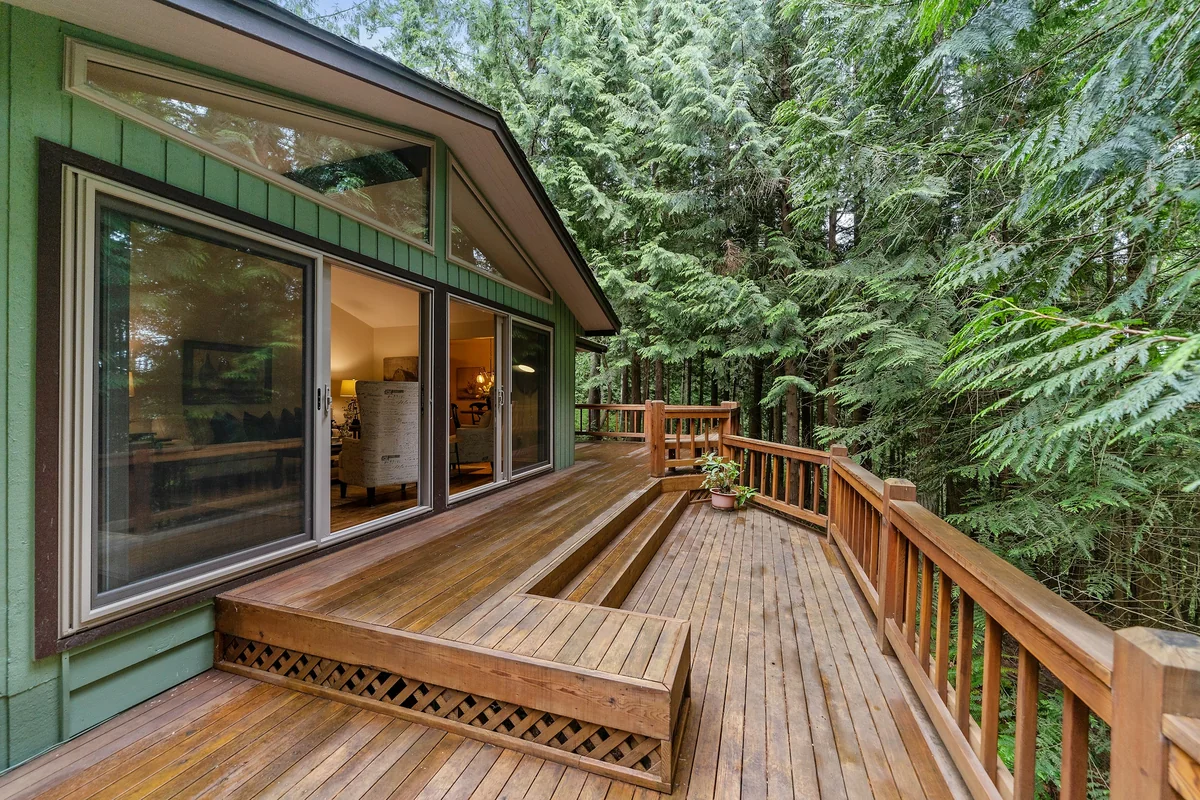
- Illustrative photograph: Im3rd Media / Unsplash · Image license
Put your plan in motion
Let’s talk about your project.
Proven Construction offers free estimates across Central Ohio. Share a few photos and tell us what you have in mind.
Get a Free EstimateExplore deck construction

 Call Proven