

Concrete repair or replacement: what should you actually fix?
A cracked driveway does not automatically need a complete replacement. Learn which observations help separate a repairable surface problem from a project that needs a more substantial reset.
What to know first
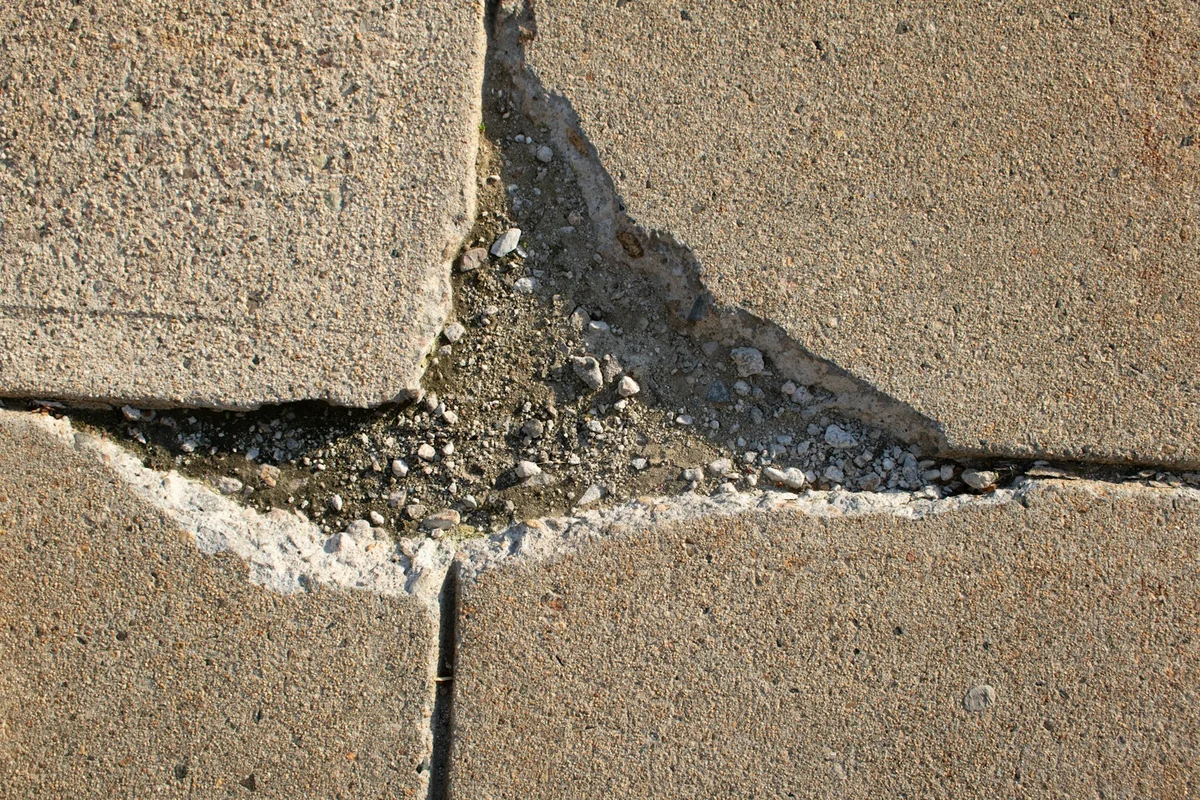
Choose a concrete repair by understanding the condition of the slab, the extent of the damage and what you want to improve. A photograph can start the discussion, but it cannot establish whether the concrete below a damaged surface is suitable for a repair. Movement, drainage and transitions deserve attention alongside the visible cracks.
Describe the problem before choosing the treatment
Start with what you see and experience. Is the problem a rough patch, a broken edge, an uneven joint, a puddle, or a driveway that no longer fits the way you park? Those are different project goals. A request to make the surface look cleaner should not be treated as the same assignment as removing an uneven walking transition.
Take one photograph of the whole surface, then closer photographs of each concern. Note when you first noticed the change and whether it seems to be getting worse. If you have pictures from a previous season, include them. This gives the assessment a useful history without asking you to diagnose the concrete yourself.
Know what each option is meant to accomplish
Repair, resurfacing and replacement describe different scopes. Ask which part of the existing concrete will remain and what condition that retained material must be in.
| Option | What to clarify |
|---|---|
| Localized repair | Which damaged areas are included and how the repaired areas will look. |
| Resurfacing | What preparation is needed and whether the existing surface is a suitable base. |
| Removal and replacement | Which sections will be removed, what preparation follows and how the new concrete meets the old. |
Surface damage and movement need separate conversations
NRMCA guidance on scaling explains that some lightly or moderately scaled surfaces can be repaired, but a bonded repair depends on sound concrete below it. A repaired area may also differ from the original surface in color and texture. That makes appearance part of the decision, not an afterthought.
Separately, show the contractor any change in elevation, widening gap or recurring puddle. Ask whether the proposed work addresses that concern or only improves the top surface. Do not assume that a thin new finish will correct a condition below the slab. Where a concern needs a specialist assessment, make that decision before approving cosmetic work.
Look at the whole route through your property
Walk from the driveway to the front door and garage. A replacement area should be considered together with the sidewalk, steps, garage threshold and nearby yard. Mark features you want to keep, including borders, planting beds and existing access points.
If replacement is being discussed, ask how the joints will be planned. NRMCA describes joints as a way to manage where movement-related cracking occurs; concrete cannot be promised to remain completely crack-free. The useful question is how the joint plan fits this layout, not whether the proposal includes an impossible guarantee.
Make the estimate easy to compare
Ask for a clear description of removal, preparation, new work and cleanup. When a proposal contains an allowance for conditions discovered after removal, ask how that allowance will be used and how changes will be approved. A low initial total is difficult to evaluate if the amount of retained concrete or preparation is unclear.
Proven Construction offers concrete repairs, resurfacing, removal and replacement throughout Central Ohio. Share the condition of the current surface and your main goal. The assessment can then focus on the work that is appropriate for your property rather than committing to a treatment from a photograph alone.

Bring this to your estimate.
- Which areas are actually being repaired or removed?
- What existing material will remain beneath the new work?
- Will the project address uneven transitions or standing water?
- How might the repair differ in appearance from nearby concrete?
- What happens if removal reveals additional preparation needs?
A few common questions.
Does one crack mean the whole driveway must be replaced?

No. The crack is one observation. Its location, surrounding condition, any movement and your goals all matter. An assessment is more useful than a replacement decision based only on crack count.
Can Proven quote concrete from pictures?
Photos and a description can support preliminary pricing. An on-site assessment may be needed to evaluate conditions and prepare the detailed written scope.
Sources & further reading
Technical references used for this guide. Requirements vary by property, project and jurisdiction.
- NRMCA: Scaling Concrete Surfaces
- NRMCA: Joints in Concrete Slabs on Grade
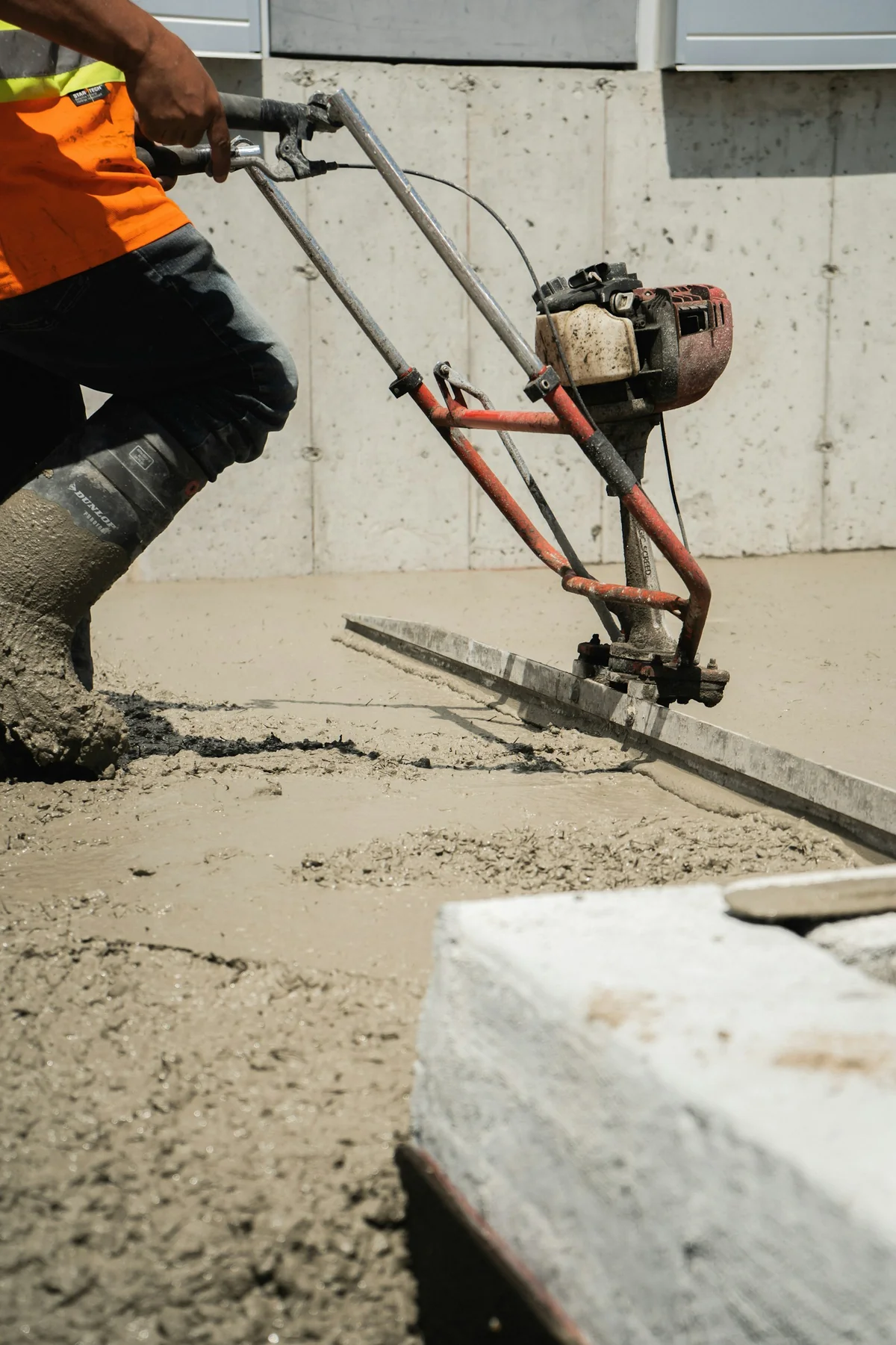
- Illustrative photograph: Zoshua Colah / Unsplash · Image license
Put your plan in motion
Let’s talk about your project.
Proven Construction offers free estimates across Central Ohio. Share a few photos and tell us what you have in mind.
Get a Free EstimateExplore concrete services

 Call Proven