

Before you finish the basement, understand the moisture
A finished basement starts with more than a floor plan. Learn what to document, when to pause, and how moisture findings change the framing, flooring and finish-work conversation.
What to know first
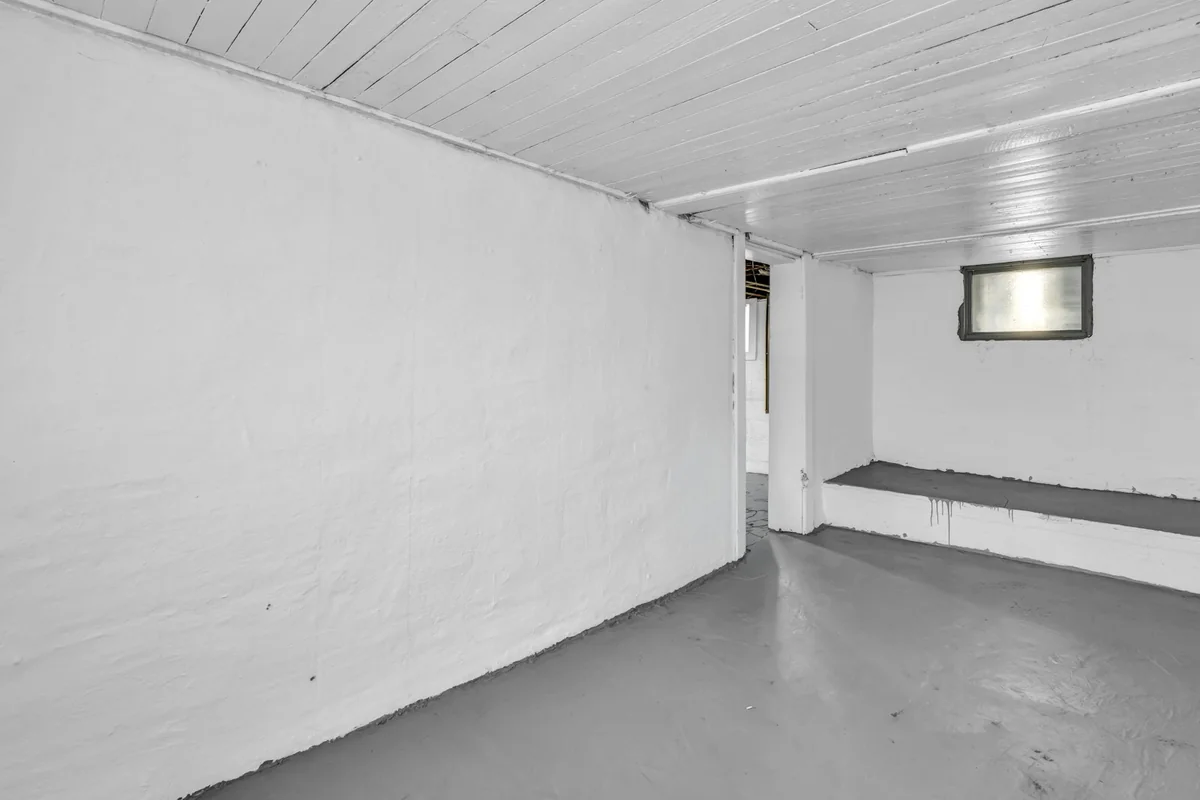
Before choosing basement flooring or wall colors, understand any history of leaks, dampness or water damage. A dry-looking room on one visit is only part of the story. Bring past observations and repair records to the assessment, resolve the cause of any moisture problem, and then define the finishing work that makes sense for the space.
Start with the history of the room
Think back to how the basement has behaved through different conditions. Has water appeared after a heavy storm? Is one corner damp while the rest stays dry? Have baseboards, boxes or flooring been replaced before? These details are useful even when you do not know the cause. Describe what happened and when instead of trying to diagnose it yourself.
Take wide photographs that identify the location, then closer photographs of visible staining or damage. Save any reports or invoices from previous repairs. Tell the contractor if furniture or stored items normally hide the affected area. A record of the room helps make the first assessment more productive than a photograph of a newly cleared, freshly painted wall.
Resolve the condition before covering it
The EPA recommends correcting basement moisture problems before converting the space to living use. The agency also recommends radon testing on the lowest level that will be lived in. A previous test upstairs does not automatically answer the question for a newly planned basement living area.
A finishing estimate and an investigation into a leak are different scopes of work. Ask which conditions can be assessed during the construction visit and which need another qualified professional. Do not assume new drywall, a different floor covering or a coat of paint will correct water entering the room. The finishing plan should follow the findings, with unresolved work clearly identified.
Choose the floor and walls as a complete assembly
Bring the flooring product you are considering to the discussion, including its exact model rather than only the color name. The installer needs to evaluate the existing floor and the product requirements together. Ask what preparation is included, what conditions must be met before installation, and whether trim or doorway changes are part of the plan.
For walls, discuss which areas will be finished and which will remain accessible. A clean-looking room still needs practical access to equipment, shutoffs and other service points. Show the contractor how you currently use those areas so that the finished layout does not make routine access difficult.
Make the estimate separate decisions clearly
Ask for a written scope that distinguishes investigation or repairs, preparation, and the finish work itself. That makes it easier to understand what is ready to proceed and what depends on another finding. It also gives you a clearer way to compare proposals that may include different amounts of work.
Proven Construction offers basement finishing, framing, drywall, flooring, painting and finish carpentry, along with agreed moisture-damage repairs and water-damaged material replacement. Share the condition of the space when requesting an estimate. If a separate moisture, radon or environmental specialist is needed, establish that before the room is closed in.

Bring this to your estimate.
- Where has dampness appeared, and under what conditions?
- What previous repairs or evaluations can I share?
- Which concerns need to be resolved before finish work begins?
- What preparation is included for the selected flooring?
- Which equipment and service points must stay accessible?
A few common questions.
Can I get an estimate before I have chosen the flooring?

Yes. Start with the rooms you want to finish, how you plan to use them and what you know about the existing conditions. Material choices can be discussed during planning; the final written scope should identify the agreed product and preparation.
Does moisture-resistant flooring fix a damp basement?
No. A flooring choice is separate from addressing the cause of dampness. Discuss the room conditions and the selected product requirements before installing any new finish.
Sources & further reading
Technical references used for this guide. Requirements vary by property, project and jurisdiction.
- EPA: Remodeling your home and indoor air quality
- Illustrative photograph: Josh Lemmon / Unsplash · Image license
Put your plan in motion
Let’s talk about your project.
Proven Construction offers free estimates across Central Ohio. Share a few photos and tell us what you have in mind.
Get a Free EstimateExplore basement finishing

 Call Proven