

LVP, laminate, hardwood or tile: choose for the room
Compare flooring by the room, product requirements and finished details, not just the sample color. These questions help narrow luxury vinyl plank, laminate, hardwood and tile for your home.
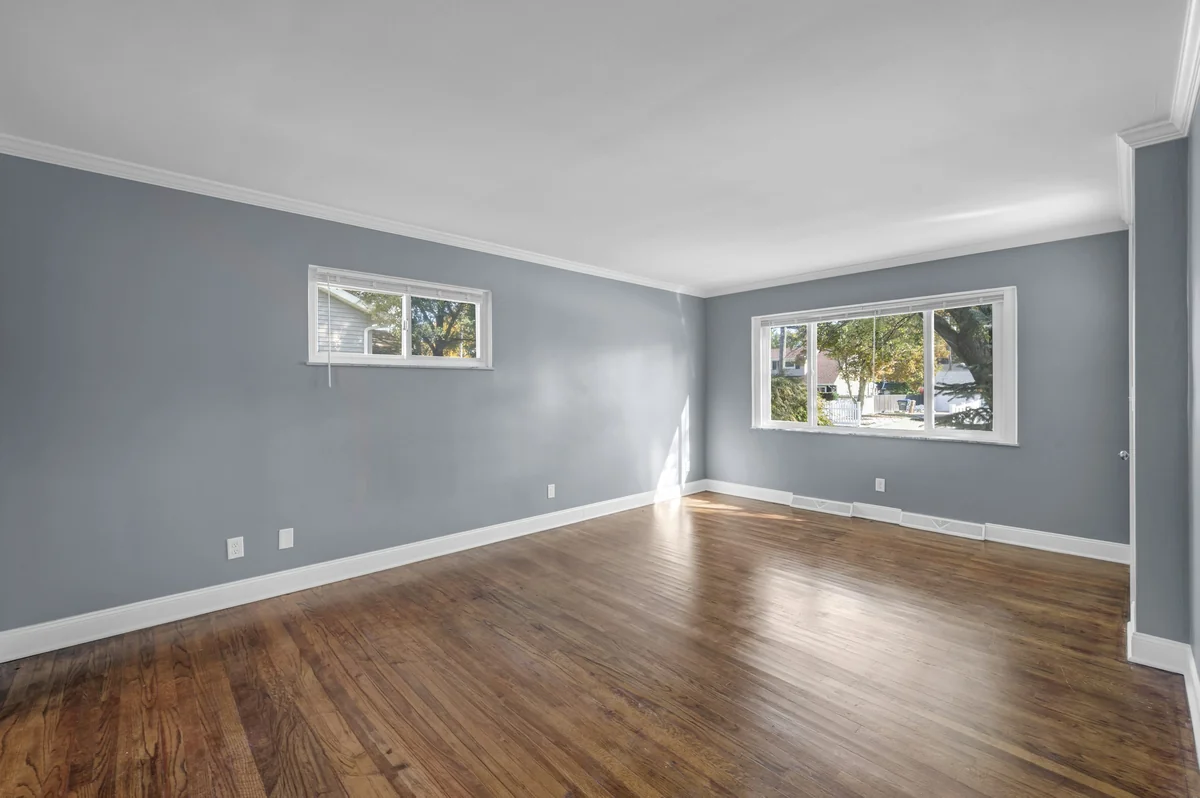
What to know first
The right floor is the one that suits the room’s conditions, the way you use it and the specific product’s installation requirements. Start with the location and existing floor, then compare materials. A broad label such as “waterproof” or “wood look” does not describe every product or explain the preparation needed underneath it.
Start with the room instead of the display rack
Make a short room profile: above or below ground, expected spills, entrances from outdoors, nearby wet areas and the floor already in place. Add what you dislike about the current surface. You may be solving a maintenance problem, a worn finish or a visual mismatch, and those goals can lead to different material choices.
Bring samples into the actual room. Look at them beside the cabinets, trim and adjoining floor, and in both daylight and evening light. Ask how the selected plank or tile size will work around doorways and small areas. The final installation is a whole floor with edges and transitions, not a single sample.
Use material categories as a starting point
Proven installs luxury vinyl plank, laminate, hardwood and tile. Each category includes many products, so use the comparison below to frame questions rather than treating it as a ranking. Ask for the exact product specifications before committing to a material.
| Material | What to examine before choosing |
|---|---|
| Luxury vinyl plank | Approved rooms, subfloor conditions, locking or adhesive system, and required transitions. |
| Laminate | The exact product’s water-related claims, room exclusions, edge requirements and care instructions. |
| Hardwood | Solid versus engineered construction, permitted installation location and environmental requirements. |
| Tile | Suitability for the intended area, substrate needs, layout, grout and transitions to adjacent floors. |
Look past a water-resistance label
A waterproof floor surface does not make the space beneath it immune to moisture. Shaw’s guidance for one waterproof vinyl system still requires a suitable, dry subfloor and addresses moisture-related conditions below the flooring. Check the instructions for the exact product being proposed, especially in a basement or a room with prior water damage.
Wood products also differ. The National Wood Flooring Association explains the distinction between solid and engineered wood flooring, including how their construction affects suitable locations. Do not assume that every hardwood product is appropriate for every level of the home. Product instructions and the actual site conditions should guide the installation decision.
Compare the complete installed scope
Ask whether each option includes removal of the old floor, disposal, substrate preparation, trim and doorway transitions. A material-only comparison can hide important differences in the work. If an existing surface conceals the subfloor, discuss what can be assessed now and how newly discovered repair needs will be documented.
Finally, discuss daily care using the manufacturer’s instructions for the selected floor. Ask about moving furniture back, suitable protective pads and any restrictions specific to the product. Proven can discuss the material options within your flooring project and coordinate related baseboards or remodeling work. The written estimate should identify the floor and the preparation that go together.

Bring this to your estimate.
- What room conditions must the selected product accommodate?
- Is the product approved for this location and installation method?
- What does its water-related claim actually cover?
- What preparation and removal are included?
- How will doorways, trim and adjoining floors be finished?
- Which manufacturer care instructions apply after installation?
A few common questions.
Is one flooring material best for every room?

No. A material that suits one room may not suit another room’s moisture conditions, layout or installation requirements. Compare the exact products against the location rather than choosing solely by the broad material name.
Can I use the same floor through several rooms?
That may be possible, but the product’s installation requirements, room conditions and transition details need review. Share the full connected area with the contractor so the plan covers more than one room at a time.
Sources & further reading
Technical references used for this guide. Requirements vary by property, project and jurisdiction.
- Shaw: Waterproof vinyl installation requirements
- NWFA: Types of wood floors
- Illustrative photograph: Josh Lemmon / Unsplash · Image license
Put your plan in motion
Let’s talk about your project.
Proven Construction offers free estimates across Central Ohio. Share a few photos and tell us what you have in mind.
Get a Free EstimateExplore flooring installation

 Call Proven