

Planning gravel driveway work in Central Ohio
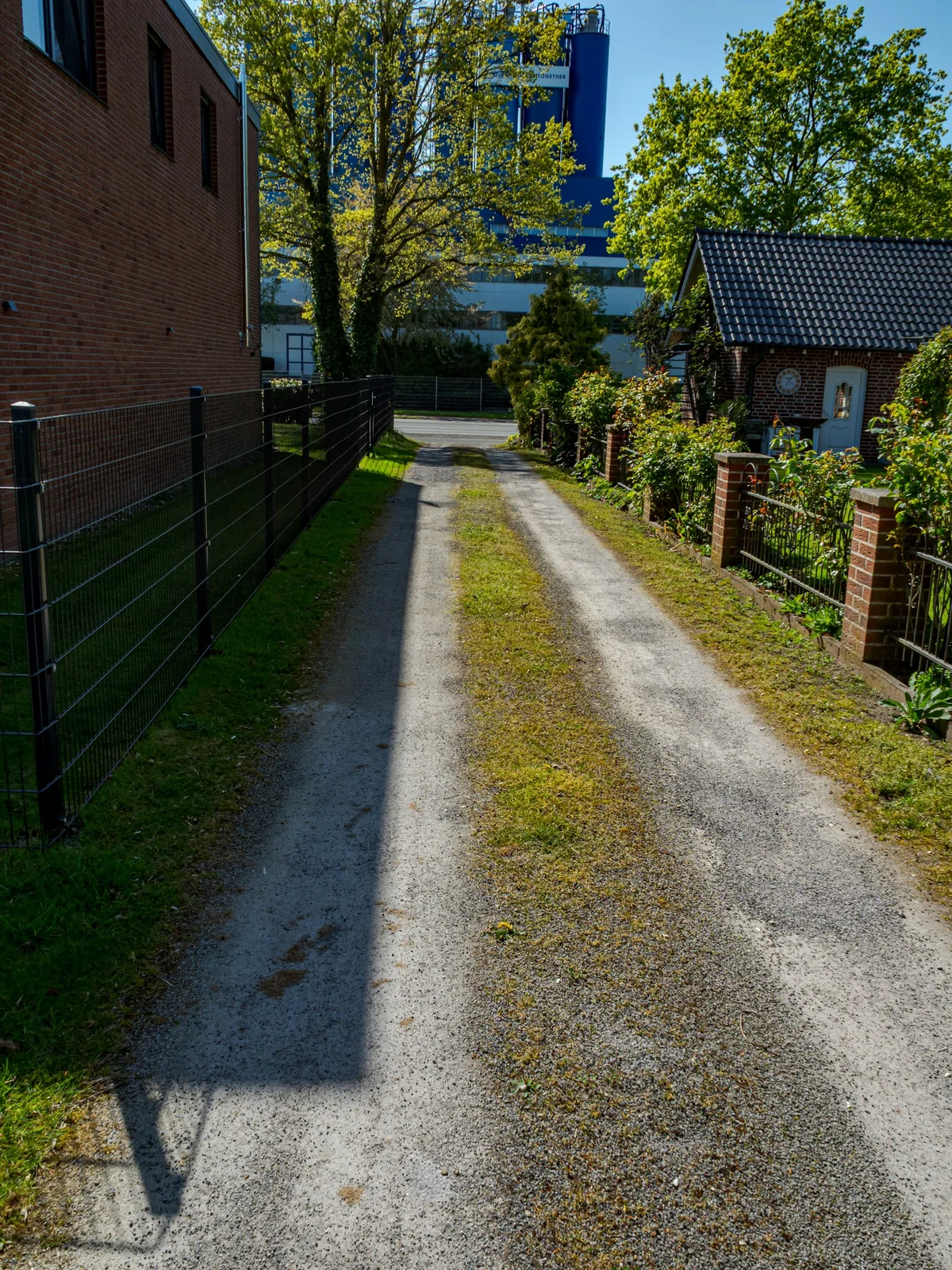
Gravel driveway work starts with location and existing conditions. Check whether the surface is allowed, describe recurring problems and discuss preparation instead of ordering more stone by appearance alone.
What to know first
First confirm that gravel is permitted for the location and proposed use. Then evaluate the existing driveway, water movement, traffic and maintenance needs. Adding stone and correcting a recurring problem are not automatically the same job. A useful estimate identifies the preparation and material work appropriate to the property.
Check the jurisdiction before choosing gravel
Gravel is not an approved surface for every residential driveway in Central Ohio. The City of Columbus’s driveway guidance states that new driveways and parking pads cannot use gravel as the finished surface. It identifies an allowance for maintaining residential gravel surfaces that existed before 1985. Other jurisdictions must be checked separately.
This distinction matters if you are turning lawn into parking, extending an existing area or replacing a surface. Begin with the project address and what is already there. Do not assume that a nearby property establishes what is allowed on yours. Proven’s gravel-driveway service is evaluated according to the actual location and project.
Describe how the driveway is used
Tell the contractor whether the area serves daily parking, access to a shed, occasional deliveries or a longer approach to the house. Mention trailers and heavier vehicles. Explain where turning occurs and whether there are locations where vehicles repeatedly stop or reverse.
Look beyond the tire paths. Include the approach from the road, the garage connection and where pedestrians walk. If stone routinely reaches the lawn or another paved area, show that pattern. These observations make the conversation about a working driveway rather than simply choosing a color or ordering a delivery.
Ask what material is being proposed
The word gravel covers materials intended for different purposes. The EPA-hosted surface-gravel guide distinguishes surface material from aggregate used beneath pavement and explains why particle sizes and material characteristics matter. For a homeowner, the practical question is what material the contractor recommends for this use and why.
Ask for the material description in the estimate and whether the proposal is for an added surface layer, reworking the existing driveway or more substantial preparation. A load of material is a quantity, not a complete explanation of the project. Let the contractor assess the construction details instead of selecting a structural section from a generic online diagram.
Bring recurring wet and soft areas into the assessment
Photograph ruts, soft spots and places where water collects. Tell the contractor whether those conditions return after previous work. If the driveway looks different in wet weather, describe the difference. A visit on a dry afternoon should not erase the history you have observed.
The condition below the visible stone matters to the discussion. Ask whether the proposal addresses the recurring area or only refreshes the surface. If separate drainage evaluation is needed, clarify that before agreeing to a scope. Avoid treating more stone as a guaranteed answer to every soft spot.
- Show the full driveway and connections to other surfaces.
- Mark recurring problems and previous repairs.
- Identify traffic and delivery needs.
- Ask what preparation happens before material is placed.
Plan for maintenance and the project handoff
Discuss how you expect to maintain the driveway and who will use snow-removal equipment. Ask what changes to watch for and when the contractor would recommend reassessing the surface. The answers should reflect the material and property rather than a promise of a maintenance-free driveway.
Proven Construction offers gravel driveway work and grading alongside asphalt and concrete services. If gravel does not fit local rules or your goals, the conversation can include an appropriate paved alternative. Start with the address, photos and the problem you want solved so the estimate can separate permitted options, preparation and finish work.

Bring this to your estimate.
- Is gravel allowed for this property and proposed use?
- Is this maintenance of an existing surface or a new parking area?
- What traffic and turning movements will the driveway serve?
- What material and preparation are included?
- How will recurring wet or soft areas be assessed?
A few common questions.
Can I build a new gravel parking pad in Columbus?

Columbus’s published driveway guidance does not approve gravel as the finished surface for new driveways or parking pads. Confirm your property’s jurisdiction and requirements before planning the work.
Can Proven help with an existing gravel driveway?
Yes. Proven offers gravel driveway work and grading. Suitability, local requirements and the scope of maintenance or reconstruction are evaluated for the property.
Sources & further reading
Technical references used for this guide. Requirements vary by property, project and jurisdiction.
Put your plan in motion
Let’s talk about your project.
Proven Construction offers free estimates across Central Ohio. Share a few photos and tell us what you have in mind.
Get a Free EstimateExplore asphalt services

 Call Proven