

Asphalt resurfacing or replacement: look below the fresh finish
A new black surface is only part of a driveway project. Learn what to discuss about existing damage, preparation, drainage and transitions before choosing an overlay or replacement.
What to know first
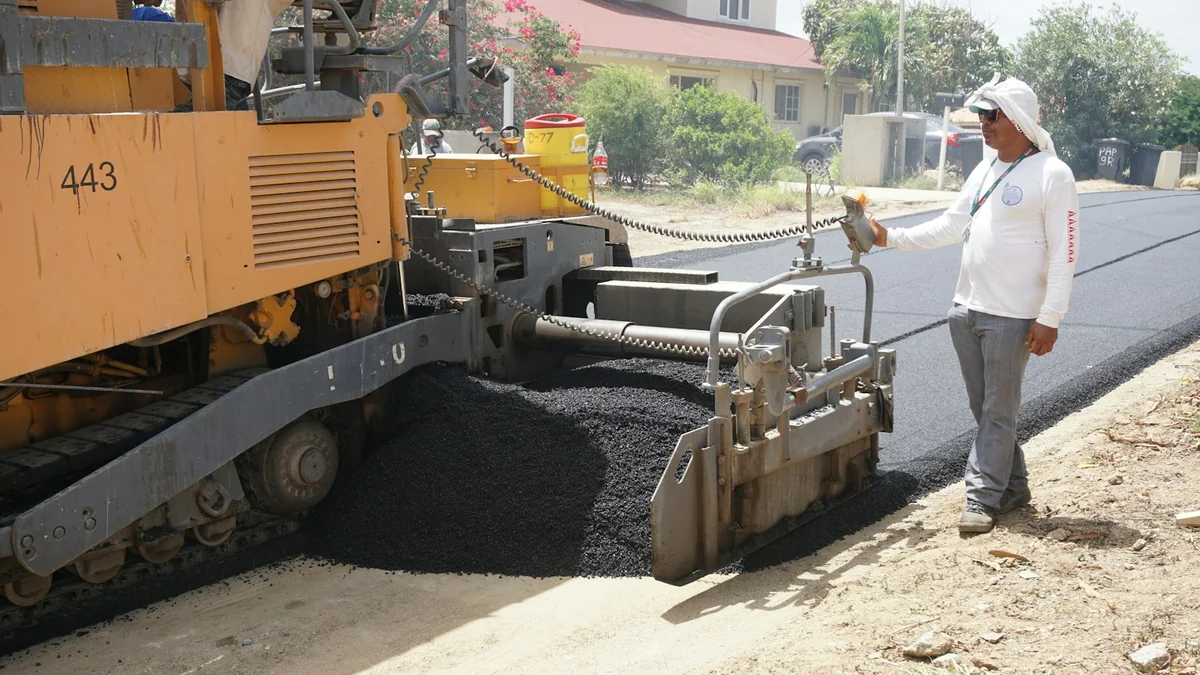
Resurfacing may be worth considering when the existing driveway can support the proposed work, but it is not a way to ignore failed areas. Replacement involves removing the designated pavement and rebuilding the agreed scope. The right discussion starts with the driveway’s condition, intended use and surrounding elevations rather than its faded color alone.
Be specific about the current problems
Describe what is happening when you drive, walk or maintain the property. Are there broken edges, depressions, recurring repairs, loose material or water that remains after rain? Take wide photographs that show the driveway in relation to the garage and street, then close views of the damaged areas.
Include previous repairs in the conversation. An area that has needed attention repeatedly deserves a different discussion from a surface that simply looks older. If you do not know the repair history, say so. The contractor can separate visible observations from conditions that may only become clear during preparation.
Understand what the words mean
Resurfacing usually involves a new asphalt layer over an existing prepared surface. Replacement removes the agreed existing pavement before new construction. Neither label, on its own, explains how much preparation is included or whether a recurring problem is being addressed.
| Proposal | Questions to ask |
|---|---|
| Resurfacing | What remains, which failed areas are repaired first, and how are the final elevations handled? |
| Replacement | How much pavement is removed, what happens below it, and what work is allowed for if conditions change? |
| Localized repair | Which areas are treated and what remains outside the work boundary? |
Preparation is central to the choice
The National Asphalt Pavement Association’s overlay guidance warns against placing a new overlay over failed pavement without addressing those areas. Its guidance also calls for assessing and preparing the existing surface. For a homeowner, the important question is whether the proposed preparation matches the observed condition.
Ask the contractor to walk you through the most concerning area and explain what the estimate includes there. If an overlay and replacement are both being considered, request a plain explanation of why either approach is suitable. Avoid choosing between two totals when one scope leaves significant preparation undefined.
Review garage, sidewalk and street connections
A driveway has to meet surfaces that may remain in place. Point out the garage threshold, public walk, adjoining concrete and any drains or gates. Ask how the proposed work will finish at those connections and whether changes elsewhere are included.
Mention where you have seen standing water and where runoff comes from. A clean new surface does not settle those questions by itself. If addressing water movement needs additional work, identify that in the estimate rather than assuming it is part of every resurfacing project. Flexible Pavements of Ohio’s driveway resources provide additional background on residential asphalt planning.
Compare the project you will actually receive
Request the work boundary, preparation, material placement, cleanup and return-to-use instructions in writing. Ask how any extra work uncovered during removal would be discussed and approved. It is reasonable for some conditions to be uncertain at the start; it is less useful for the process of handling them to be unclear.
Proven Construction offers asphalt installation, replacement, resurfacing and repairs in Central Ohio. Share your photographs, the approximate area and how you use the driveway. An on-site assessment may be needed before the most appropriate scope can be finalized. Keep parking and delivery arrangements flexible until the work sequence and reopening instructions are confirmed.

Bring this to your estimate.
- Which existing pavement remains in place?
- How are damaged areas handled before resurfacing?
- Will the finished surface meet the garage and sidewalk correctly?
- What is included to address observed water problems?
- How will unexpected preparation needs be approved?
A few common questions.
Is resurfacing the same as sealcoating?

No. Resurfacing adds an asphalt layer as part of a paving scope. Sealcoating is a surface maintenance treatment. Ask for the exact work description rather than relying on a general term such as topcoat.
Can age alone decide whether to replace a driveway?
Age is background information, not a complete condition assessment. Existing damage, preparation needs, water movement and intended use all belong in the discussion.
Sources & further reading
Technical references used for this guide. Requirements vary by property, project and jurisdiction.
Put your plan in motion
Let’s talk about your project.
Proven Construction offers free estimates across Central Ohio. Share a few photos and tell us what you have in mind.
Get a Free EstimateExplore asphalt services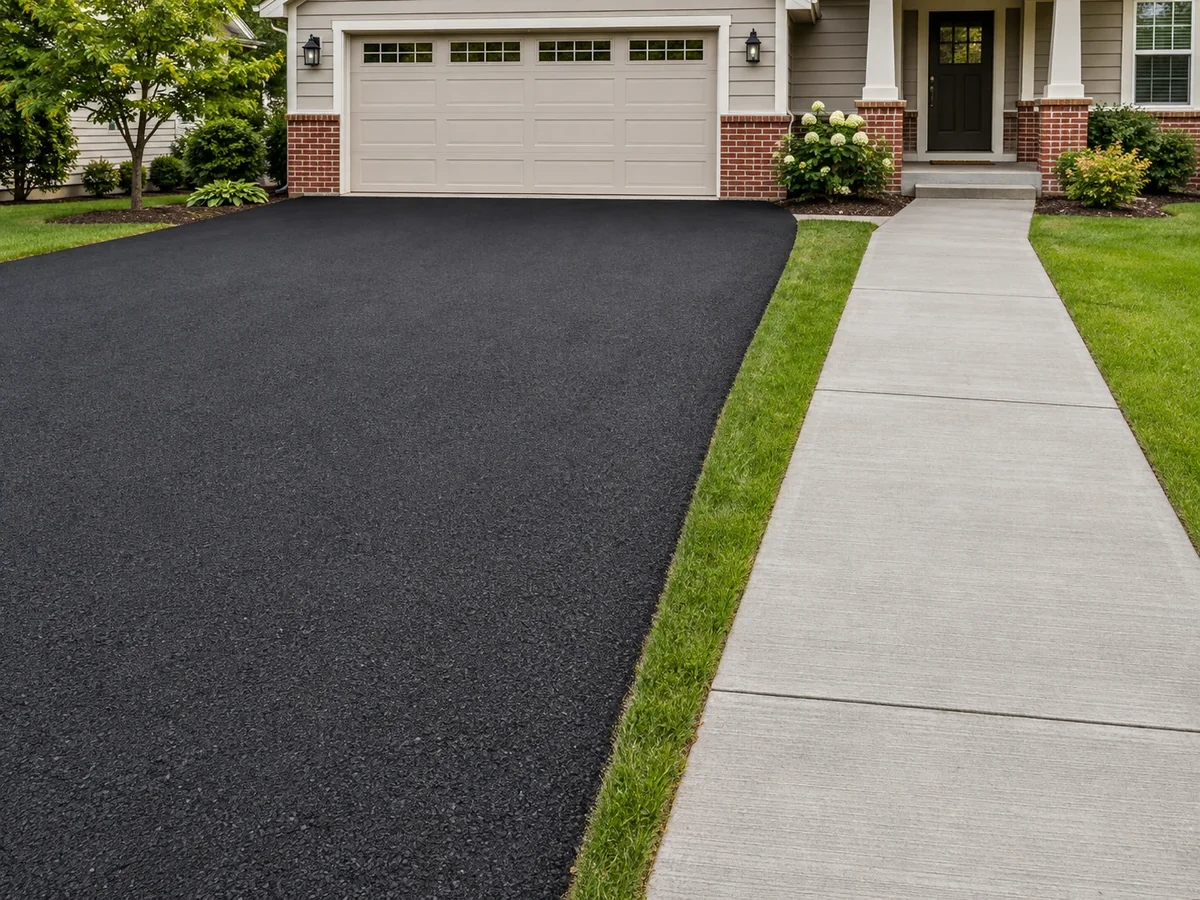

 Call Proven