

After a leak: plan the repairs before replacing the finishes
Replacing stained drywall or damaged flooring is only part of recovery after a leak. Organize the cause, drying, material assessment and finish repairs into a scope you can understand.
What to know first
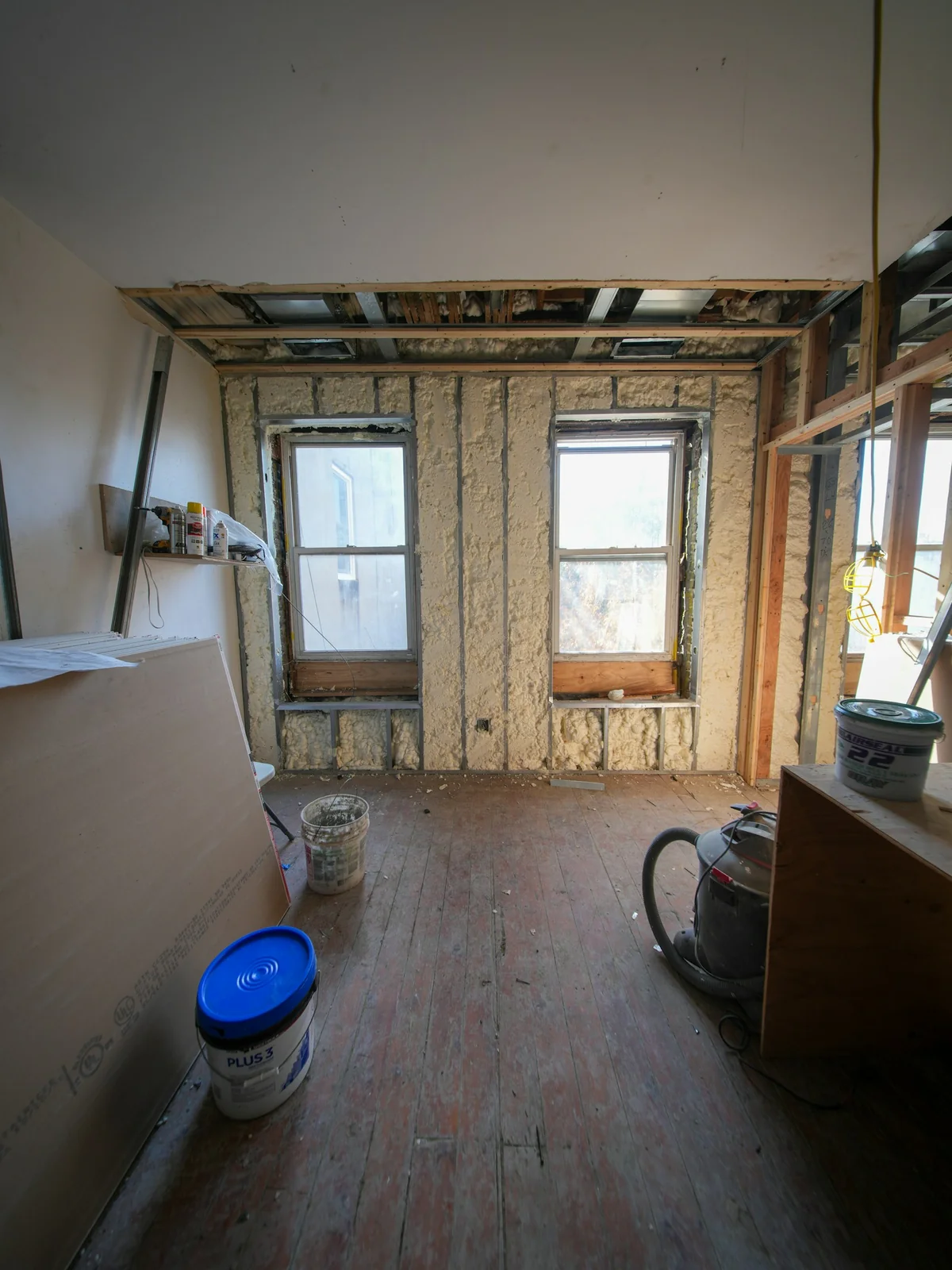
Before replacing water-damaged finishes, confirm that the source has been addressed and the affected area is ready for repair. Then separate material removal, any specialist work and the reconstruction scope. A dry-looking surface or a fresh coat of paint does not establish that everything behind it is ready to be enclosed. Keep records and ask what has actually been assessed.
Separate an active problem from reconstruction
If water is still entering the area, start with the source and any immediate hazards. Do not treat a construction estimate as confirmation that a leak is resolved. Share who assessed or repaired the source, when that happened and what documentation is available. If the situation involves unsafe electrical conditions, structural concerns or contaminated water, appropriate specialist help comes before cosmetic work.
Keep a simple timeline with photographs from the time the damage was found, the areas affected and any work already completed. Include rooms beside or below the obvious damage if they were involved. This helps the contractor understand the history without assuming that the visible stain represents the entire repair area.
Ask what can stay and what needs replacement
The EPA’s water-damage guidance distinguishes materials that may be dried and retained from those requiring removal, depending on their condition. For drywall, visible swelling and damaged seams are relevant signs. An assessment should consider the affected assembly, not just the appearance of the paint.
The EPA also notes that mold-affected porous materials may need disposal and that moldy surfaces should not simply be painted over. Ask whether the job needs a separate environmental or remediation assessment. Proven’s stated services include moisture-damage repairs and replacing water-damaged materials; that does not automatically include specialized remediation or clearance testing.
Define the reconstruction boundary
Once the area is ready for repair, identify which drywall, flooring, baseboards, cabinets or other finishes are included. Ask where the new work will meet the existing materials. A small damaged area can involve a wider finishing decision if a matching product is unavailable or a paint repair would remain conspicuous.
Bring product information for existing floors and finishes if you have it. Discuss whether the goal is a close repair or a planned update to the whole affected room. Those are different scopes. If insurance is involved, keep your documents organized and confirm coverage with the insurer rather than assuming that a contractor’s estimate establishes what a policy will pay.
Keep responsibility and approval clear
Ask who is responsible for source repair, drying assessment, any specialized treatment, material removal and reconstruction. A written estimate should identify the work Proven is proposing and any prerequisites that must be completed by others. Clarify what happens if additional damage becomes visible once an affected material is removed.
Finally, discuss access, protection of nearby rooms, disposal and the final walkthrough. Share any limits on when the room can be unavailable. Proven can evaluate the agreed drywall, flooring, painting, trim and other repair work across Central Ohio. Clear records and a defined repair boundary make that conversation more useful than requesting a price for “fixing the water damage” without further detail.

Bring this to your estimate.
- Has the source been identified and addressed?
- What drying or specialist assessment has already been completed?
- Which materials are confirmed for removal or retention?
- Where will replacement finishes meet existing ones?
- What is included in Proven’s scope and what is handled separately?
- How will additional findings and changes be approved?
A few common questions.
Can a water stain be painted over once it looks dry?

Appearance alone is not enough to establish that the cause is corrected or the affected materials are ready. Discuss the source, drying and material condition first, then determine the appropriate repair and painting scope.
Does Proven handle every part of water-damage recovery?
The company offers moisture-damage repairs and water-damaged material replacement within an agreed construction scope. Specialized drying, environmental assessment or remediation should be discussed separately when the condition calls for it; do not assume those services are included.
Sources & further reading
Technical references used for this guide. Requirements vary by property, project and jurisdiction.
- EPA: Water-damage material guidance
- EPA: Mold cleanup in your home
- Illustrative photograph: Olek Buzunov / Unsplash · Image license
Put your plan in motion
Let’s talk about your project.
Proven Construction offers free estimates across Central Ohio. Share a few photos and tell us what you have in mind.
Get a Free EstimateExplore drywall & painting

 Call Proven