

Plan privacy fencing around the views that matter.
Privacy is more than choosing a solid panel. Look at seated sightlines, slopes, gates and street visibility to create a boundary that fits the way you use the yard.
What to know first
A useful privacy fence addresses a specific sightline without creating unnecessary obstacles. Identify where you want privacy, check the view from both seated and standing positions, and consider the yard’s slope. Then choose a material and layout that can work within the applicable site rules. Taller is not automatically the better answer.
Find the view you actually want to screen
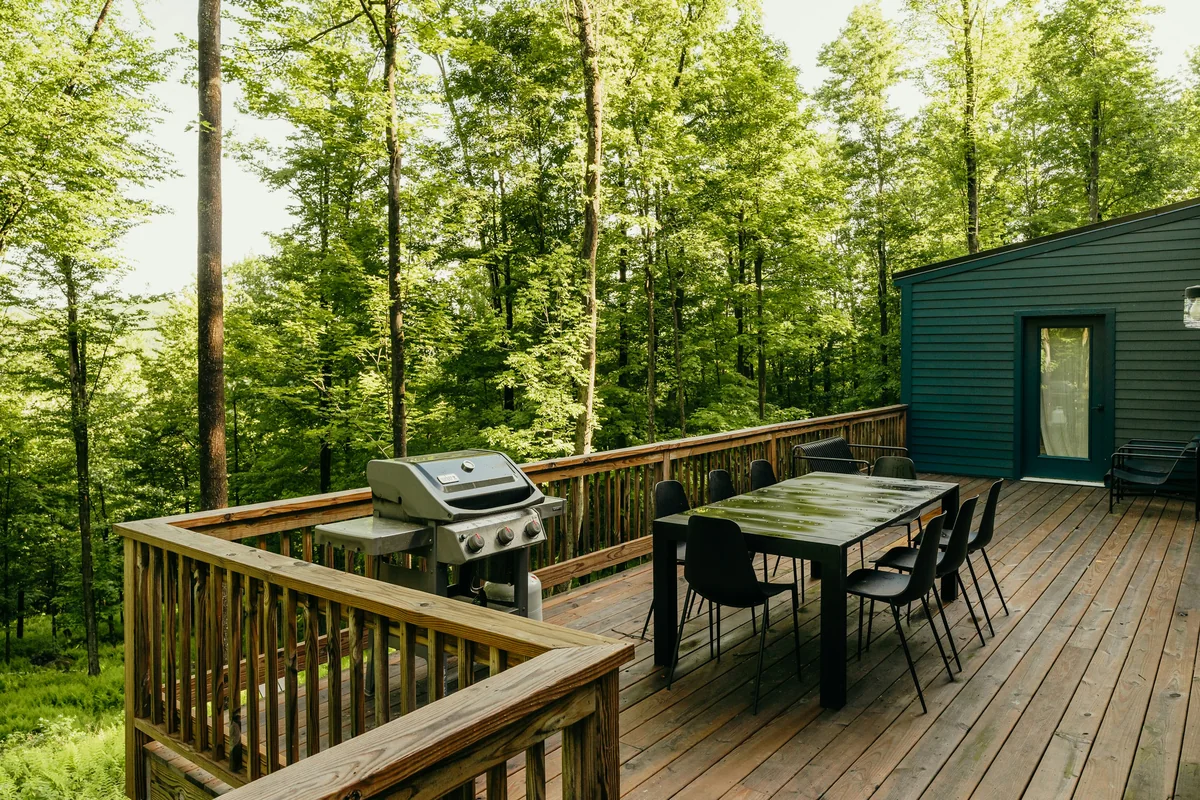
Start from the patio chair, deck table or area where you spend the most time. Take a photograph looking outward. Then stand and repeat it. A neighboring window, driveway and sidewalk can each require a different approach, so avoid treating privacy as one uniform condition around the entire property.
Now look from the house toward the yard. Would a solid fence block a view or make a small outdoor area feel closed in? The goal is to improve the space you use, not simply hide every boundary. A focused layout may preserve more of the view you like.
Account for changes in ground level
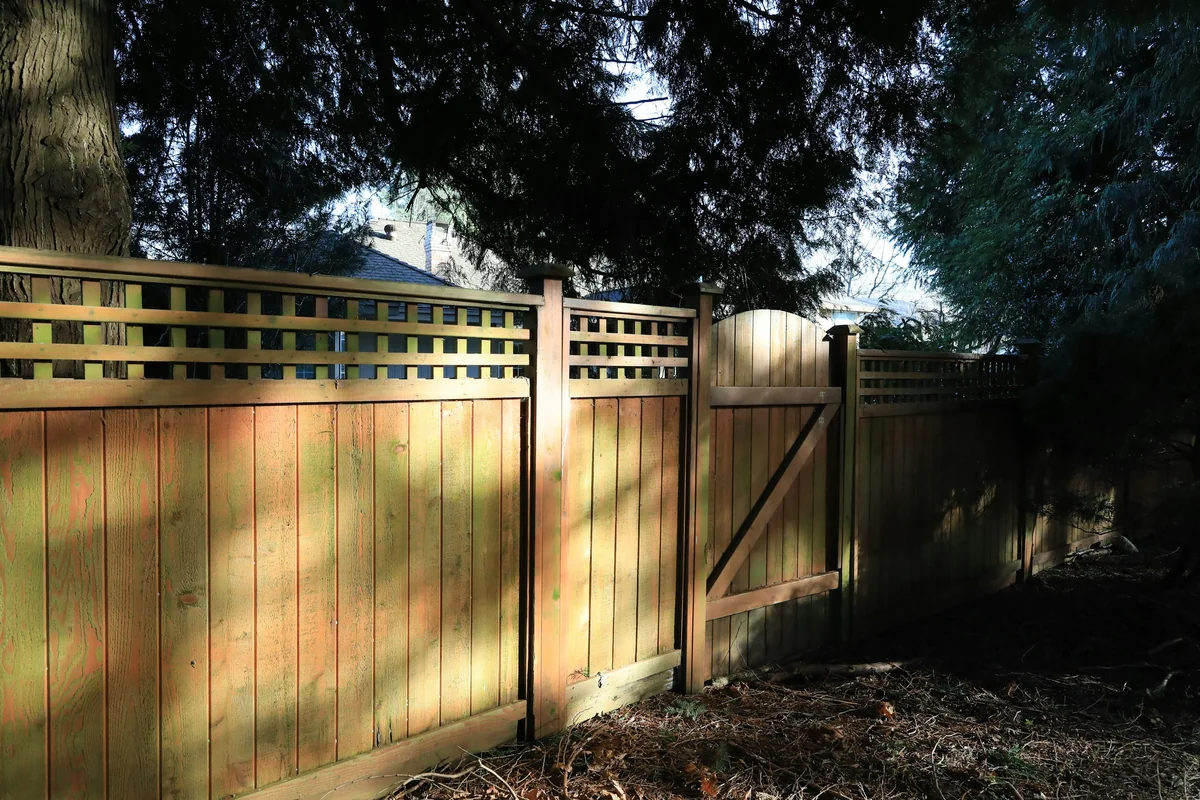
A sample panel shown on flat ground does not explain how a fence will look on a slope. Ask to see the proposed treatment at grade changes, corners and the bottom edge. Those details affect the appearance and whether the fence meets your goals for privacy or pet containment.
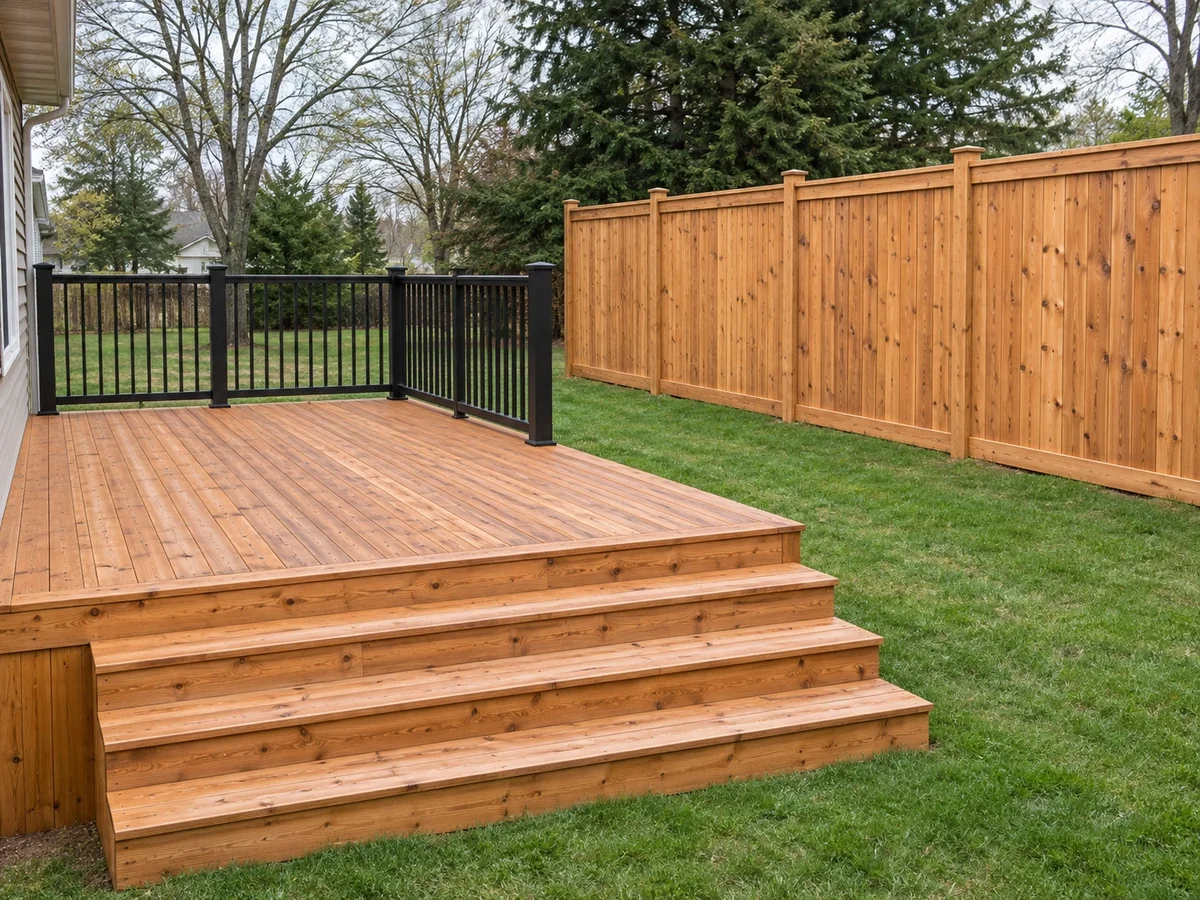
If the yard includes a raised deck, check the sightline from that elevation separately. A ground-level property fence may not screen a seated person above it. Discuss deck privacy features as a separate element rather than expecting the yard fence to solve every view.
Understand location limits before choosing height
Columbus fence information identifies visibility considerations for front yards and corner lots. The rules for a rear-yard fence cannot simply be applied to every part of the property. Confirm requirements for the specific address, and disclose any association or recorded restrictions you know about.
A contractor can help discuss a feasible project, but unresolved boundary or approval questions should not be hidden inside a material selection. Keep a short list of what has been confirmed and what still needs review. This prevents ordering a preferred style before knowing where it can be installed.
Make a privacy fence work day to day
Walk the routes to trash storage, the garage, garden beds and the driveway. A solid boundary can make an awkward gate location more noticeable because you cannot simply walk around it. Put gate use into the design discussion early, including mower access and how the gate opens on the ground you have.
Consider what will be next to the fence. Discuss clearance around vegetation, stored items and equipment so the finished line can be maintained. If landscaping is planned, coordinate the order of work and avoid assuming the fence crew is also moving established planting beds.
Proven Construction installs privacy fencing in wood and vinyl, along with chain-link options for areas where an open view is preferred. Share the views you want to screen and the practical routes you want to preserve. The estimate should make the proposed line, material, gates and removal work clear.
- Photograph the view from the actual seating area.
- Mark changes in grade and elevated deck areas.
- Keep useful gates in the plan from the beginning.
- Identify landscaping or other work that must happen first.

Bring this to your estimate.
- Which view should the finished fence screen?
- How does the layout look from the house?
- What will happen at slopes and the bottom edge?
- Are front-yard or corner-lot visibility rules relevant?
- Does the scope include existing fence removal and gate hardware?
A few common questions.
Will a privacy fence block all noise?

Do not select a standard privacy fence on the assumption that it will solve a noise problem. Explain the concern so the proposed result is clear.
Can the fence follow the existing line?
Only after the proposed location and site requirements are confirmed. An existing fence is useful context, but it does not prove the legal boundary.
Sources & further reading
Technical references used for this guide. Requirements vary by property, project and jurisdiction.
Put your plan in motion
Let’s talk about your project.
Proven Construction offers free estimates across Central Ohio. Share a few photos and tell us what you have in mind.
Get a Free EstimateExplore fence installation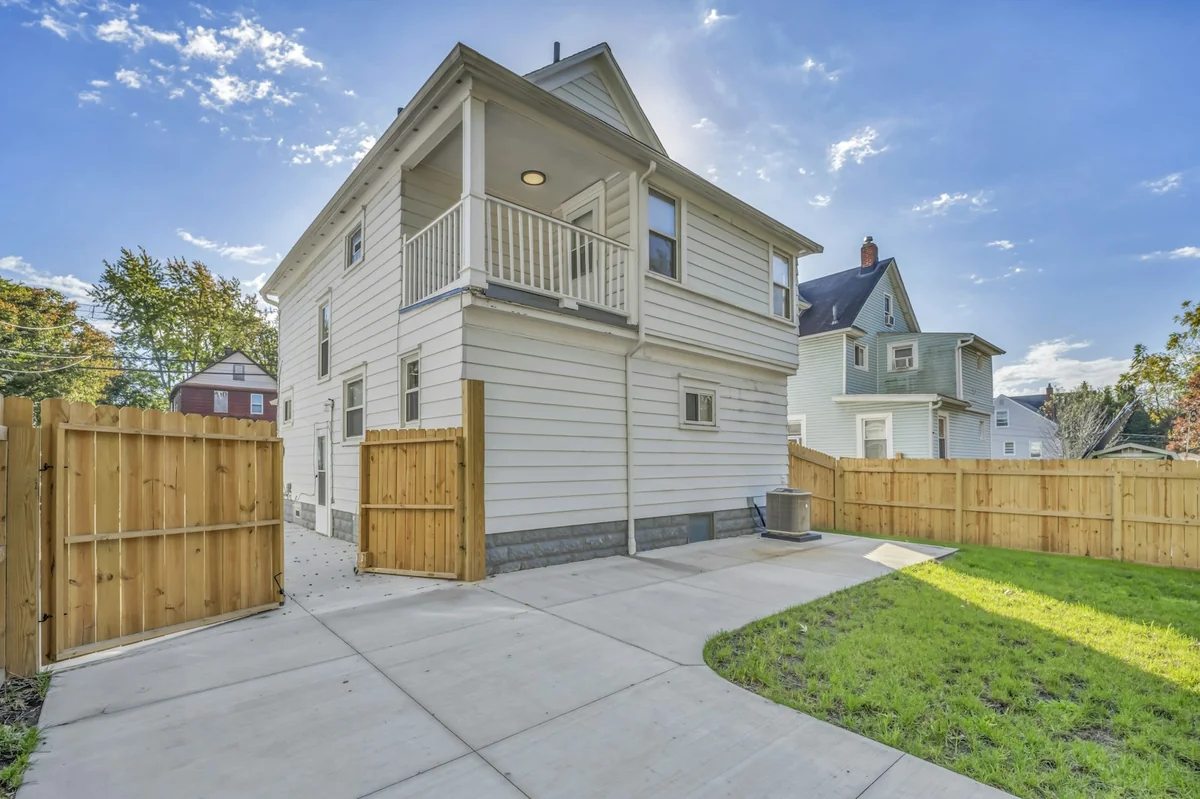

 Call Proven