

How to compare construction estimates beyond the total
Two prices can describe two very different projects. Use a simple comparison of scope, materials, preparation and responsibilities to understand what you are actually approving for your home.
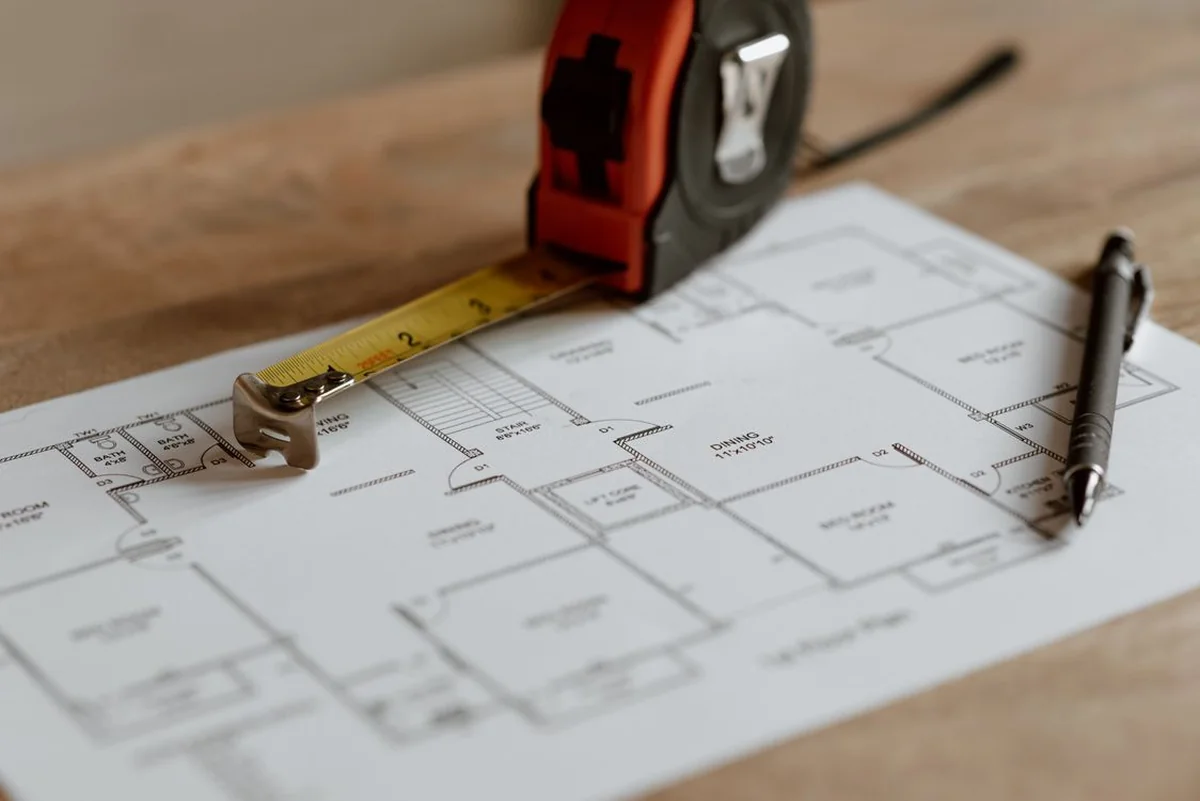
What to know first
Compare estimates by lining up the work included, not by reading the final number first. Confirm the same project area, materials, preparation, cleanup and responsibilities. Then review exclusions, payment stages and the way changes are approved. Clear details help you choose confidently and reduce avoidable misunderstandings once the project begins.
Give each contractor the same starting point
Prepare one short project description and share the same version with everyone quoting. Include the address, the areas involved, photographs and what you want to keep. Identify your priorities separately from optional ideas. If one contractor is pricing a full replacement and another is pricing a limited repair, their totals are answering different questions.
You do not need every finish selected before reaching out. Be honest about decisions still open and ask how they are represented in the estimate. Keep notes from site visits so a useful suggestion from one conversation can be considered in the others rather than silently changing the project from quote to quote.
Compare the work line by line
Make a small comparison sheet with one column for each proposal. Mark items as included, excluded or unclear. An unclear entry becomes a question, not an automatic criticism of the contractor.
| Area to compare | What to look for |
|---|---|
| Preparation | Demolition, removal, access and surface or site preparation. |
| Materials | Specified products, selections and any allowances still to be finalized. |
| Construction | The actual areas and components included in the work. |
| Finish and cleanup | Trim, transitions, debris removal and disturbed areas. |
| Coordination | Scheduling, trades and applicable permits or inspections. |
Put changes and responsibilities in writing
The Ohio Attorney General’s home-improvement guidance recommends written project details, including scope, materials, payment terms and approval of changes. Ask how unexpected conditions will be documented and how you will approve additional work before it proceeds.
For example, a flooring project may uncover material that needs replacement after the old floor is removed. The useful question is not whether the contractor can promise there will be no surprise. It is how the condition will be shown to you, what alternatives will be explained and when you will receive the proposed change in price or schedule.
Understand the schedule and the handoff
Ask what must happen before work can start, such as material selections, access arrangements or applicable approvals. Discuss how weather-dependent work is scheduled and how you will receive updates. A start date should be considered alongside the assumptions that support it.
Clarify your own tasks too. You may need to clear a room, move vehicles or secure pets. Ask who handles stored items, demolition debris and any work that is intentionally left outside the contract. At completion, know how the walkthrough will work and where product information or written workmanship terms will be provided.
Proven Construction coordinates planning, materials, scheduling, construction, subcontractors and applicable permits within the agreed scope. Its written estimate is the place to confirm what those responsibilities include for your particular project.
Choose the proposal you can explain back
After your questions are answered, summarize each proposal in plain language. You should be able to say what will be removed, what will be built or installed, what remains excluded and how the project moves from approval to completion. If you cannot, request clarification before deciding.
Proven offers free estimates for projects ranging from smaller improvements to larger residential construction. Photos may support preliminary pricing, with a site assessment arranged when needed. You can also ask about financing through Joist and mention eligibility for the military, veteran or first-responder discount. Keep the financing conversation separate from understanding the underlying construction scope; both should be clear before you commit.

Bring this to your estimate.
- Are all proposals pricing the same project and footprint?
- Which preparation, materials and finish details are included?
- What exclusions or allowances need explanation?
- How will changes be documented and approved?
- Who coordinates access, permits, trades and the final walkthrough?
A few common questions.
Is the lowest estimate always the best value?

The total matters, but first establish whether the proposals include the same work. A lower price is difficult to evaluate when preparation, materials or cleanup differ or remain undefined.
Does asking for an estimate require a budget or appointment date?
Proven does not require a budget or a specific appointment date for the initial request. Share the work you have in mind and your timeframe so the next step can be discussed.
Sources & further reading
Technical references used for this guide. Requirements vary by property, project and jurisdiction.
- Ohio Attorney General: Home Improvement Consumer Tips
- Illustrative photograph: Anete Lusina / Pexels · Image license
Put your plan in motion
Let’s talk about your project.
Proven Construction offers free estimates across Central Ohio. Share a few photos and tell us what you have in mind.
Get a Free EstimateExplore residential construction

 Call Proven